A historic Liverpool street is the first in the city to have a plaque installed which explains its links with slavery.
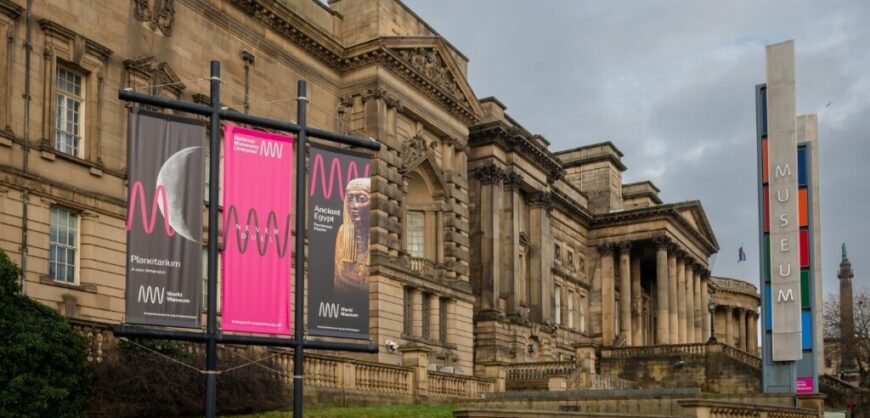
The brand new addition, close to the World Museum on William Brown Street, will be unveiled on Tuesday 5 April, with the bronze plaque explaining the history behind the street name and its origins with the slave trade.
It is the first of around 10 streets which will become home to an ‘Eric Scott Lynch Slavery Histories’ plaque – named in honour of the activist and historian who passed away last year.
Eric spent his life drawing attention to Liverpool’s links with slavery and through his family, he played a key role in identifying which areas of the city were directly linked with the slave economy and the growth of the city. These include streets named after slavers or places connected with the trade, as well as those located in areas that frequently feature in current walking tours of the city.
A list of streets was originally submitted by Laurence Westgaph – historian and founder of Liverpool Black History Research Group. Some of the streets under consideration include Falkner Street, Bold Street, Parr Street and Colquitt Street.
The locations will be announced in the coming months once the complex process of identifying suitable areas, then obtaining permissions – and in some cases seeking planning approval – is completed. It is hoped they will all be in situ in the next two years.
The partners involved in the project are Liverpool City Council, National Museums Liverpool, the family of Eric Lynch, Liverpool Black History Research Group and Kuumba Imani Millennium Centre.
The unveiling comes ahead of the unique Liverpool Against Racism series of events which take place from 24-30 April. A music day and conference will be just some of the highlights of the city-wide statement of solidarity against racism and hate. For more information head to the official website.
Liverpool City Council passed a motion in January 2020 to commit to the placing of plaques and other interpretations to improve our understanding of the city’s heritage and its links to slavery.
Mayor of Liverpool Joanne Anderson says: “This is a milestone moment for Liverpool in its reconciliation with its past.
“As a city we pledged to be open and transparent about this city’s role in the transatlantic slave trade, and the plaques are an important step forward. This understanding of our past is key, and only when we fully acknowledge and accept it, can we move forward.
“The unveiling takes place in the same month as Liverpool Against Racism – a powerful and unique event which will shine a spotlight on the racism and discrimination endemic in today’s society.
“I am proud to have two high-profile activities take place within the space of a month which address our past, but also look ahead to the future and spotlight progressive, impactful anti-racist practices.
“I’d like to take this opportunity to thank all those involved in making these plaques a reality and their commitment to telling the truth about Liverpool’s history.”
Andrew Lynch, Eric Lynch’s son, adds: “These plaques stand testament to the educational work that my father Eric Scott Lynch carried out. Over many years, he strove to give the people of Liverpool a deeper understanding of the central role the city played in shaping the modern world.
“The enormous wealth generated by slavery and imperial interests built the city into a major trade hub and financed many of the industries that were to become the cornerstone of the industrial revolution. This reminds us that Liverpool is truly a world city, with the labour of Africans and people of African descent being a key part of our story.”
Image © Pete Carr
Related posts:
 Liverpool Pride ‘bounces back’ with new look in 2016
 Terracotta Warriors heading to Liverpool
 Liverpool Arab Arts Festival 2017 unveils first wave of events
 Golden Horse among new additions to Terracotta Warriors display
 Plaques to be unveiled commemorating 100 years of votes for women
 Terracotta Warriors make World Museum most visited outside of London